
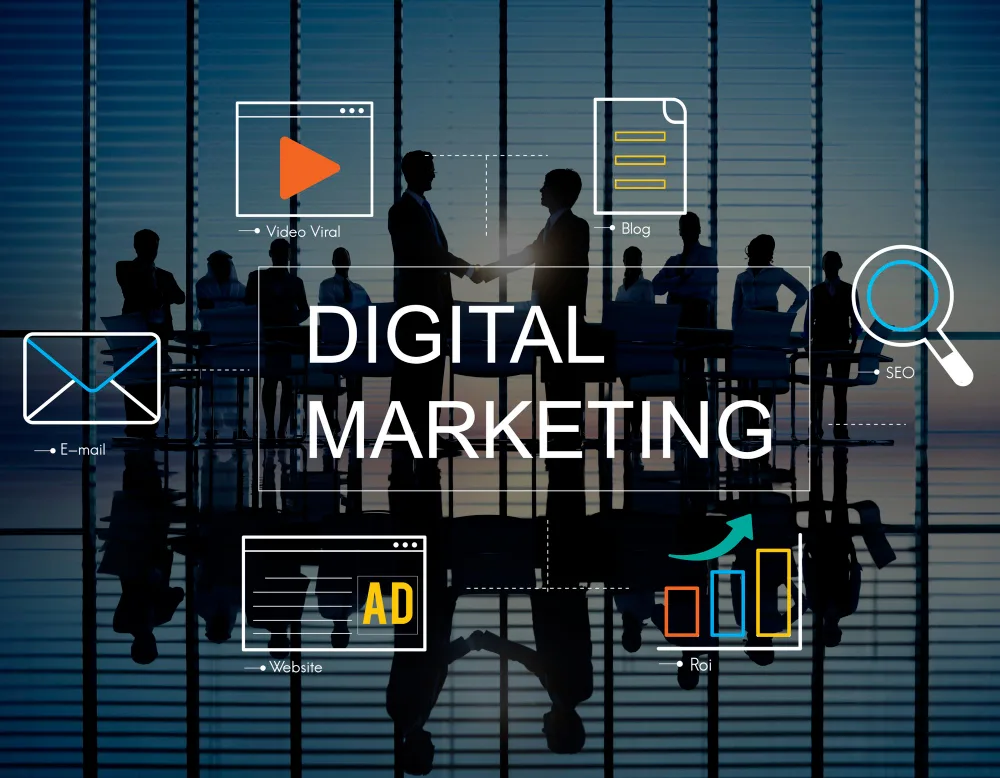
In the modern business landscape, the question isn’t whether you should be online it’s how effectively you are competing there. Traditional marketing hasn’t disappeared, but it has certainly taken a backseat to the precision, efficiency, and scale of the digital world. Whether you are a local boutique or a global enterprise, understanding the advantages of digital marketing is the first step toward sustainable growth.
As we navigate 2026, the integration of AI tools, real-time data auditing, and hyper-personalization has made online strategies more potent than ever. Here are the 12 essential benefits that make digital marketing an unbeatable force for modern brands.
1. Global Reach with Local Precision
Unlike a billboard or a local newspaper ad, digital marketing breaks down geographical barriers. You can run a campaign from your home office and reach customers on the other side of the world by sunset.
However, the true “magic” lies in its ability to scale down. You can use geo-fencing and hyper-localized campaigns to target specific neighborhoods. For businesses relying heavily on foot traffic, prioritizing a solid local business growth strategy using Instagram and Google ensures you capture customers at the exact moment they are nearby.
2. Unmatched Cost-Effectiveness
For growing businesses, the advantages of digital marketing often start with the budget. Traditional media (TV, Print, Radio) requires massive upfront capital. In contrast, digital platforms allow you to launch campaigns with minimal spend. Social media ads and search engine marketing (SEM) operate on a pay-per-click or pay-per-impression basis, ensuring that you only spend money when there is active user intent.
3. Hyper-Targeted Audience Segmentation
In the past, marketing was a “spray and pray” approach—sending a broad message to everyone and hoping it stuck with someone. Today, you can dissect your audience with surgical precision based on:
- Demographics: Age, gender, location, and job title.
- Psychographics: Interests, core hobbies, values, and lifestyle.
- Behavior: Past purchases, website visits, and exact search intent.
4. Measurable and Trackable Results
One of the most significant advantages of digital marketing is the total elimination of guesswork. Analytics dashboards provide real-time data on every campaign. You can see exactly how many people clicked an ad, how long they stayed on your page, and what your acquisition numbers look like. To truly capitalize on this data, you must understand your incoming cost per lead to accurately calculate your real-time return on investment (ROI).
5. Higher Conversion Rates
Because digital media allows you to reach customers at the exact moment they are searching for a solution, conversion rates are naturally higher. An optimized landing page with a clear Call to Action (CTA) can turn a casual browser into a paying customer much faster than a passive print ad. If your traffic isn’t converting yet, you can troubleshoot your setup using our comprehensive landing page optimization guide.
6. Real-Time Performance Adjustment
In traditional marketing, if you print 10,000 brochures with a weak offer, you are stuck with the financial loss. In the digital space, if a creative isn’t performing well, you can change the copy, swap the graphic, or adjust the targeting parameters instantly. This agile approach prevents budget bleed and allows you to catch ad performance mistakes to avoid before they impact your quarterly baseline.
7. Improved Brand Reputation and Social Proof
Digital channels allow you to build an active community. Through social media engagement and verified review platforms, customers can publicly cross-check your brand’s credibility. High ratings and positive comments act as organic social proof, which is heavily favored by modern audiences. Nurturing this layer of trust makes it much easier to turn followers into customers naturally.
8. Leveling the Playing Field
Digital marketing is the great equalizer. A startup with a clever content strategy and high-quality SEO can easily outrank a multi-billion-dollar corporation on search engines. It’s no longer about who has the deepest pockets; it’s about who provides the most precise value to the user. To see how these two models differ structurally, review our analysis of growth marketing vs traditional marketing.
9. Personalization at Scale
Modern consumers expect a personalized experience. Digital ecosystems allow you to use marketing automation to send tailored emails, recommend specific products based on browsing history, and address users by name. This level of attention significantly reduces churn, fosters brand loyalty, and increases the overall lifetime value (LTV) of each customer.
10. Integration with Emerging Technology
The baseline advantages of digital marketing are constantly expanding due to technological integration:
- Agentic AI Agents: Managing complex customer inquiries and backend optimization on the fly.
- Voice Search Optimization: Structuring data to answer conversational queries via smart assistants.
- Visual Storytelling: Deploying immersive interactive experiences and visual storytelling in ad creatives to capture dwindling consumer attention spans.
11. Viral Potential and Easy Sharing
Digital content is inherently shareable. A highly engaging short-form video, case study, or insightful infographic can be amplified across social networks with a single click. This “earned media” can give your brand a massive surge in visibility and organic reach without racking up additional advertising fees.
12. Direct Communication with Customers
Digital marketing facilitates a direct, transparent two-way conversation between your brand and your audience. Whether it is through comment sections, direct messages, or email replies, you can hear feedback straight from the source. This rapid feedback loop is invaluable for refining your product offerings, improving customer service, and building long-term brand equity.
Conclusion: Why You Can’t Ignore These Advantages
The true advantages of digital marketing are not just about “having a website”; they are about maintaining cultural and commercial relevance. By leveraging clean data, targeting high-intent consumers, and staying operationally agile, you can achieve a level of business growth that traditional media simply cannot match.
If you haven’t fully optimized your brand’s online infrastructure yet, now is the time to commit. The digital world moves fast make sure your brand is the one setting the pace.