
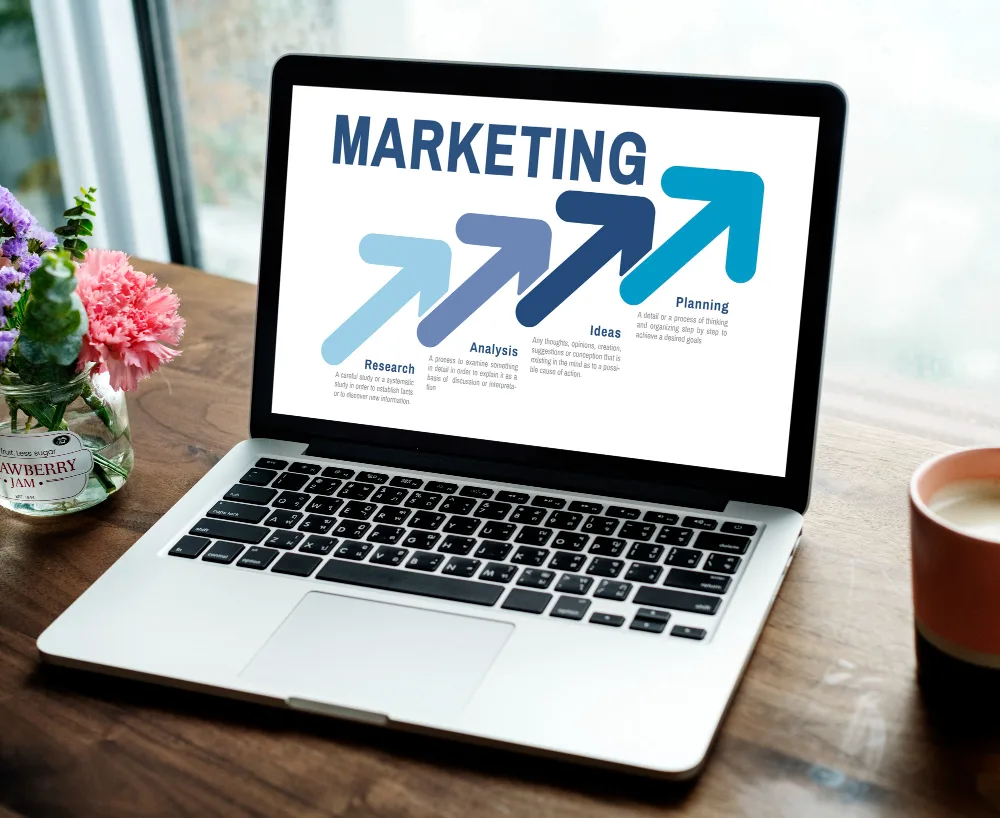
Quick Answer: Digital marketing is the practice of promoting products, services, or brands through digital channels like search engines, social media, email, and websites. To succeed, businesses must combine strategies like Search Engine Optimization (SEO), Content Marketing, Pay-Per-Click (PPC) advertising, and Social Media Management to reach and engage their target audience where they spend their time online.
Whether you are launching a start-up, growing a local business, or looking to start a new career, understanding digital marketing basics is no longer optional—it is essential. The internet has transformed how consumers discover and buy products, meaning your online presence is your most valuable storefront.
Here is everything you need to know to build a solid foundation and succeed in the digital landscape.
What is Digital Marketing?
At its core, digital marketing encompasses all marketing efforts that use an electronic device or the internet. Businesses leverage digital channels such as search engines, social media, email, and other websites to connect with current and prospective customers. Unlike traditional marketing (like billboards or print ads), digital marketing allows for precise targeting, real-time data tracking, and two-way communication with your audience.
The Core Pillars of Digital Marketing
To build a successful online strategy, you need to understand the primary channels available to you. Most successful campaigns use a combination of the following:
1. Search Engine Optimization (SEO)
SEO is the art and science of optimizing your website to rank higher in organic (unpaid) search engine results pages, primarily on Google.
- Why it matters: Higher visibility leads to more website traffic.
- How to succeed: Focus on keyword research (finding what your audience is searching for), creating high-quality content, and ensuring your website is fast, mobile-friendly, and easy to navigate.
2. Content Marketing
Content powers your digital marketing. In simple terms, content marketing means creating and sharing helpful, high-quality materials to attract your ideal customers and keep them engaged.
- Examples: Blog posts, eBooks, infographics, videos, and podcasts.
- The Goal: Rather than pitching your products directly, you are providing truly relevant and useful content to your prospects to help them solve their issues.
3. Social Media Marketing (SMM)
This practice promotes your brand and your content on social media channels to increase brand awareness, drive traffic, and generate leads for your business.
- Top Platforms: Facebook, Instagram, LinkedIn, X (formerly Twitter), TikTok, and YouTube.
- Best Practice: Don’t spread yourself too thin. Choose the 1-2 platforms where your specific target audience is most active and build a strong community there.
4. Pay-Per-Click Advertising (PPC)
PPC is a method of driving traffic to your website by paying a publisher every time your ad is clicked. It is essentially a way of buying visits to your site, rather than earning them organically.
- The Heavyweight: Google Ads is the most common type of PPC, allowing you to pay for top slots on Google’s search engine results pages.
- Advantage: Immediate results and highly specific targeting based on user intent and demographics.
5. Email Marketing
Despite being one of the oldest forms of digital marketing, email remains one of the most effective ways to communicate with your audience. It is a direct line to people who have already expressed interest in your brand.
- Use Cases: Welcome sequences, weekly newsletters, promotional offers, and customer nurturing campaigns.
3 Steps to Digital Marketing Success
Knowing the tools is only half the battle. To truly succeed, you need a cohesive strategy.
- Define Your Target Audience: You cannot market effectively if you do not know who you are talking to. Create detailed “buyer personas” that outline your ideal customer’s age, location, pain points, and online behaviors.
- Set Measurable Goals: Vague goals like “get more sales” are hard to track. Use the SMART framework (Specific, Measurable, Achievable, Relevant, Time-Bound). For example: “Increase organic website traffic by 20% in the next quarter.”
- Analyze and Adapt: The greatest advantage of digital marketing is data. Use tools like Google Analytics to track what is working and what isn’t. If a social media campaign is falling flat, pivot. If a specific blog post is driving massive traffic, write more on that topic.
Conclusion
Mastering the digital marketing basics doesn’t happen overnight, but understanding how SEO, content, social media, PPC, and email work together is the first step toward online growth. Start small, focus on providing value to your audience, and let data guide your decisions. With consistency and a willingness to learn, you can build a digital marketing strategy that drives real, scalable results.